Integrative Counselling in Guildford
"We all have ability. The difference is how we use it"
— Stevie Wonder
Neurodiversity-Affirming Psychotherapy (NAP) & Emotional Support in Surrey
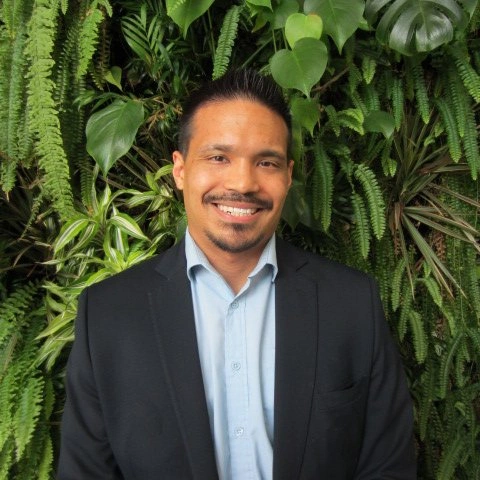
My name is Amir and I am an integrative counsellor, registered with the BACP.
Together, we will explore your past experiences and empower you to choose your best future.
An Integrative Approach to Mental Health
I am trained in Clarkson’s 5 Relationship Model, which draws on psychodynamic, person-centred and transactional analysis approaches. This emphasises the importance of a trusting working alliance between the client and counsellor for effective therapeutic work. To nurture this trust, I embody Carl Roger’s Core Conditions of unconditional positive regard (UPR), congruence and empathy. Over 100 placement hours, I have developed my ability to nurture therapeutic relationships with clients.
Exploring the Past, Empowering the Future
I am trained to explore your concerns using the triangle of insight, the drama triangle, as well as the transferential and countertransferential relationship, to explore unprocessed experiences from the past and attachment issues.
I work with 18+ adults with anxiety, depression, bereavement and trauma. This includes working with symptoms of insomnia, concentration difficulties, panic, dissociation, suicidal ideation, lack of motivation and hopelessness. I have a particular interest in Neurodiversity-Affirming counselling.
About Amir Sexton
BACP Registered Counsellor in Guildford
My first experiences of mental health involved supporting neurodivergent children as a Learning Support Assistant (LSA), where I applied the ABC Model from CBT in one-to-one interventions to help them explore and challenge irrational beliefs. Also, I received training on the impact of Adverse Childhood Experiences (ACEs) on young people.
In other job roles, I continued to advocate for neurodiversity and the benefit of creating an inclusive workplace. Specifically, I raised awareness about the challenges disabled employees face and highlighted the unique strengths they bring to the workplace. So far, my biggest contribution was speaking at the covenant launch for the ‘Employ Autism Network’. This is a collaboration between the ‘Ambitious about Autism’ charity and the Department of Work and Pensions. Afterwards, I had the pleasure of attending a celebration ceremony inside the Houses of Parliament.

Neurocognitive Differences and Traumatic Experiences
These experiences helped me appreciate that neurocognitive differences and traumatic experiences are inextricably linked. Naturally, my passion for working with neurodivergent individuals led me to discover a deeper interest in mental health. I believe in the importance of overcoming shame, helplessness and self-doubt, as these can contribute to poor mental health. Left unchecked, this can sabotage people's wellbeing and relationships.
This is complemented by my belief that we are more than our weaknesses, informed by my experiences applying a strength-based approach to neurodiversity. Additionally, I believe we are more than our mistakes, based on my experiences using the restorative approach in education. Furthermore, I embody Clarkson’s Integrative Approach, advocating that the therapeutic relationship is key to overcoming emotional wounds from our past. Altogether, these perspectives inspire me to support others with perseverance and optimism, embracing every step of progress on their journey.

Person Centred Approach
Every person has an innate drive towards self-actualisation, i.e., fulfilling their potential. People can develop mental distress when their desire for fulfilment contradicts their conditions of worth and internalised values from other people. Exploring this contradiction is key to alleviating mental distress.

Psychodynamic Approach
According to ‘The Mental Iceberg’ model, people possess a conscious and unconscious mind. Mental distress can originate from conflicts in our past, which are hidden in the unconscious mind. By bringing these conflicts to conscious awareness, people have the potential to move on from an individual’s past.

Transactional Approach
People’s patterns of interaction are rooted in our past experiences and genetic predisposition. These patterns can be unhealthy and become a source of mental distress, as demonstrated by ‘The Drama Triangle’. Therefore, exploring these patterns and improving communication is a key focus of this approach.
Sessions and Fees | Guildford Practice
- With new potential clients, I start with an initial consultation call to discuss goals and information relevant to your sessions. I offer long-term work and short-term work (6 sessions).
- The expectation is that we meet on a weekly basis.
- My fee is £50 for 50 minute sessions.
- If I have not received a payment, the next session will be postponed until payments are up-to-date.
Finding the Practice Rooms
- We will be meeting at Guildford Therapy Rooms - Willow Health, 3 Beaufort, Parklands, Guildford GU2 9JX.
- You are welcome to the free parking bays outside the therapy rooms.
- At the agreed time, ring the door buzzer to be let in.
Contact & Crisis Resources
Please feel free to reach out via email to arrange an initial consultation call.
Crisis Links
If you are experiencing a mental health crisis, please reach out directly to the following resources: